The Talking Globe: What Higher Education Is For
When I think about higher education, I don’t immediately picture lecture halls, textbooks, or diplomas. I think about a plastic National Geographic globe that sat in my childhood bedroom.
It wasn’t an ordinary globe. You could touch any country with a small electronic stylus, and it would tell you about its geography, culture, language, and history. I spent hours with that globe. I wanted to know why Greenland belonged to Denmark, why Chile stretched the length of South America, what people ate in Lebanon, and why some countries spoke Spanish while others spoke Portuguese. Long before I ever traveled internationally, I was already fascinated by the idea that billions of people lived completely different lives than my own.
Looking back, I don’t think that globe taught me geography nearly as much as it taught me curiosity. It convinced me that learning wasn’t something confined to school; it was something you pursued simply because the world was interesting. That same curiosity eventually led me into research laboratories, operating rooms, entrepreneurship, airplanes, and more than fifty countries across every inhabited continent. At first glance, those experiences seem unrelated. To me, they’ve always been part of the same education.
I believe that’s what higher education should accomplish.
Too often, we reduce education to job preparation or earning a credential. Those things matter, but they are not its highest purpose. The best education expands the way we see the world. It teaches us how to think rather than what to think. It develops curiosity, adaptability, and the confidence to step into unfamiliar situations and continue learning long after graduation.
One of the greatest gifts higher education gave me was exposure to opportunities I never imagined for myself. Growing up, I never considered myself naturally gifted in science. Yet through mentors who challenged me and hands-on experiences that made learning tangible, I eventually found myself working in NIH-funded transplant laboratories, contributing to medical research, and later earning admission to medical school. My abilities did not suddenly change overnight. What changed was my exposure to people and environments that made me believe I belonged there. That experience convinced me that expanding access to education is about far more than affordability. It is about giving people opportunities to discover interests and talents they never knew they had.
As I grew older, I realized that some of my most meaningful education happened far beyond a classroom.
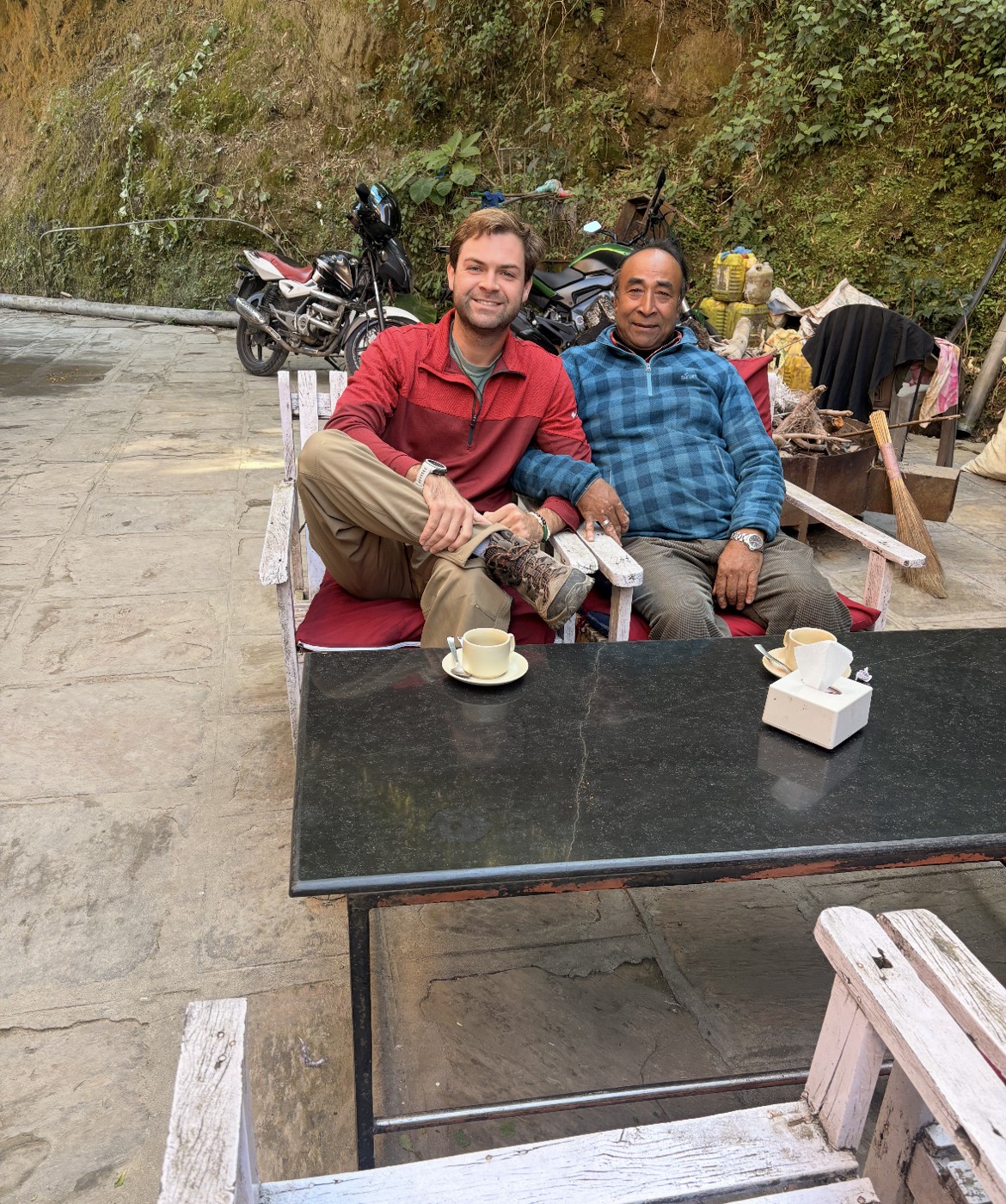
People often ask what my favorite country has been, but that’s never really been the point of traveling. The moments I remember most aren’t famous landmarks; they’re conversations. Sitting in someone’s apartment in Buenos Aires discussing Argentina’s economy. Sharing tea with strangers in the Middle East. Talking with fishermen in Greenland about why younger generations are leaving small Arctic communities. Spending evenings with students in Europe comparing how our countries approach healthcare, education, and politics. Those conversations taught me something textbooks rarely can: every society wrestles with many of the same human challenges, but each approaches them a little differently.
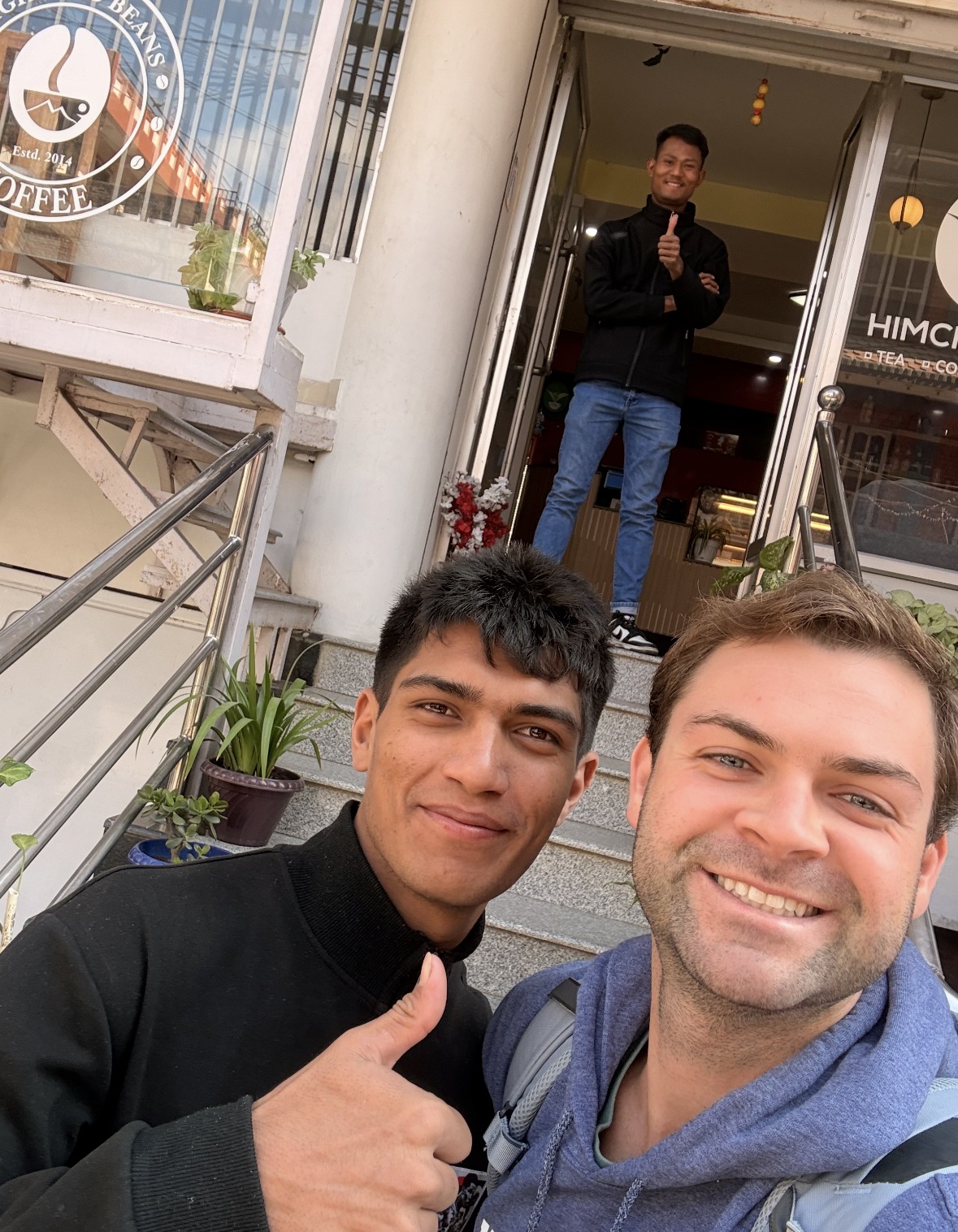
Travel didn’t simply make me appreciate other cultures. It taught me humility. It forced me to question assumptions I didn’t even realize I had. It reminded me that understanding another person’s perspective often begins with listening rather than speaking. In an increasingly interconnected world, I believe cultural understanding is just as valuable as technical expertise.
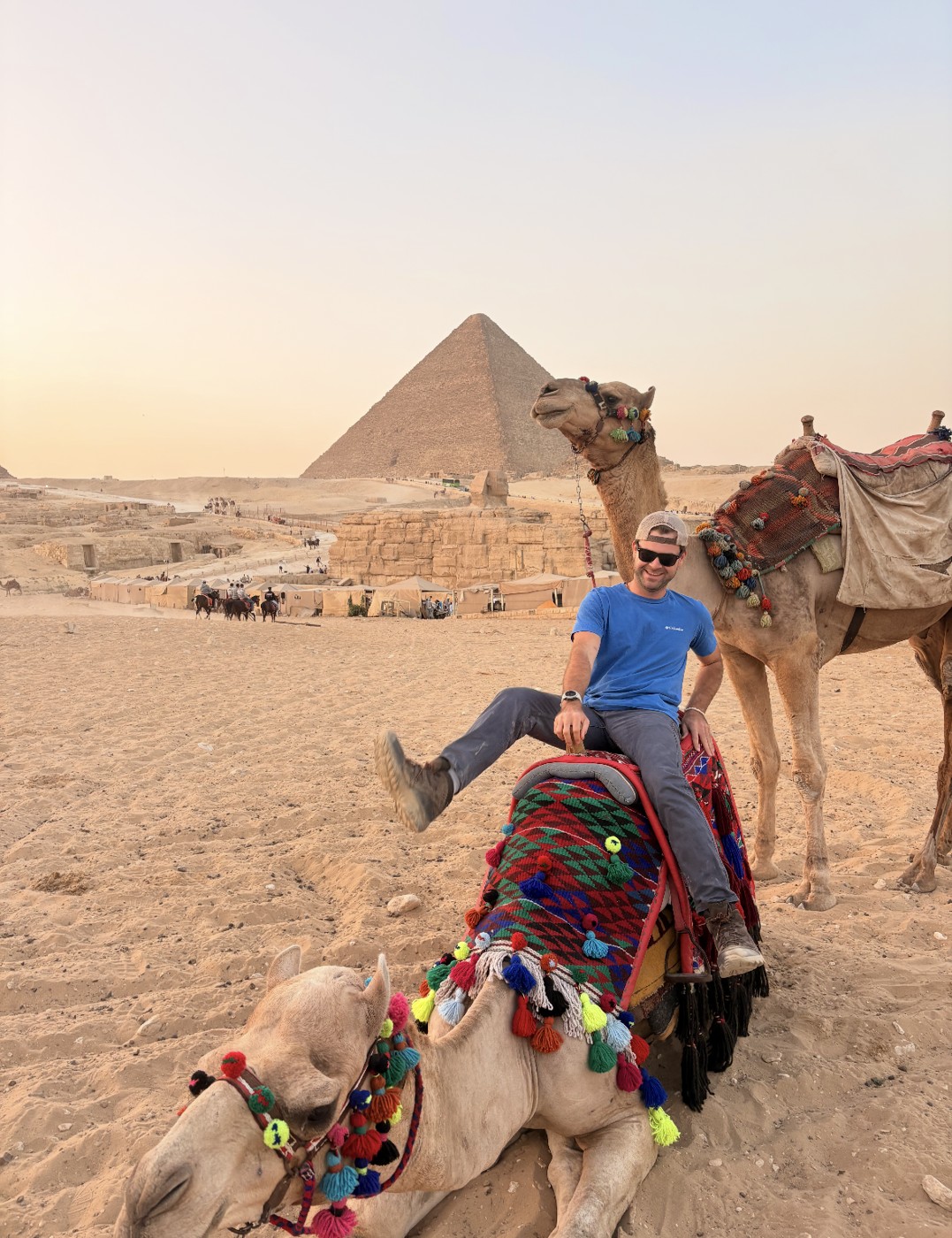
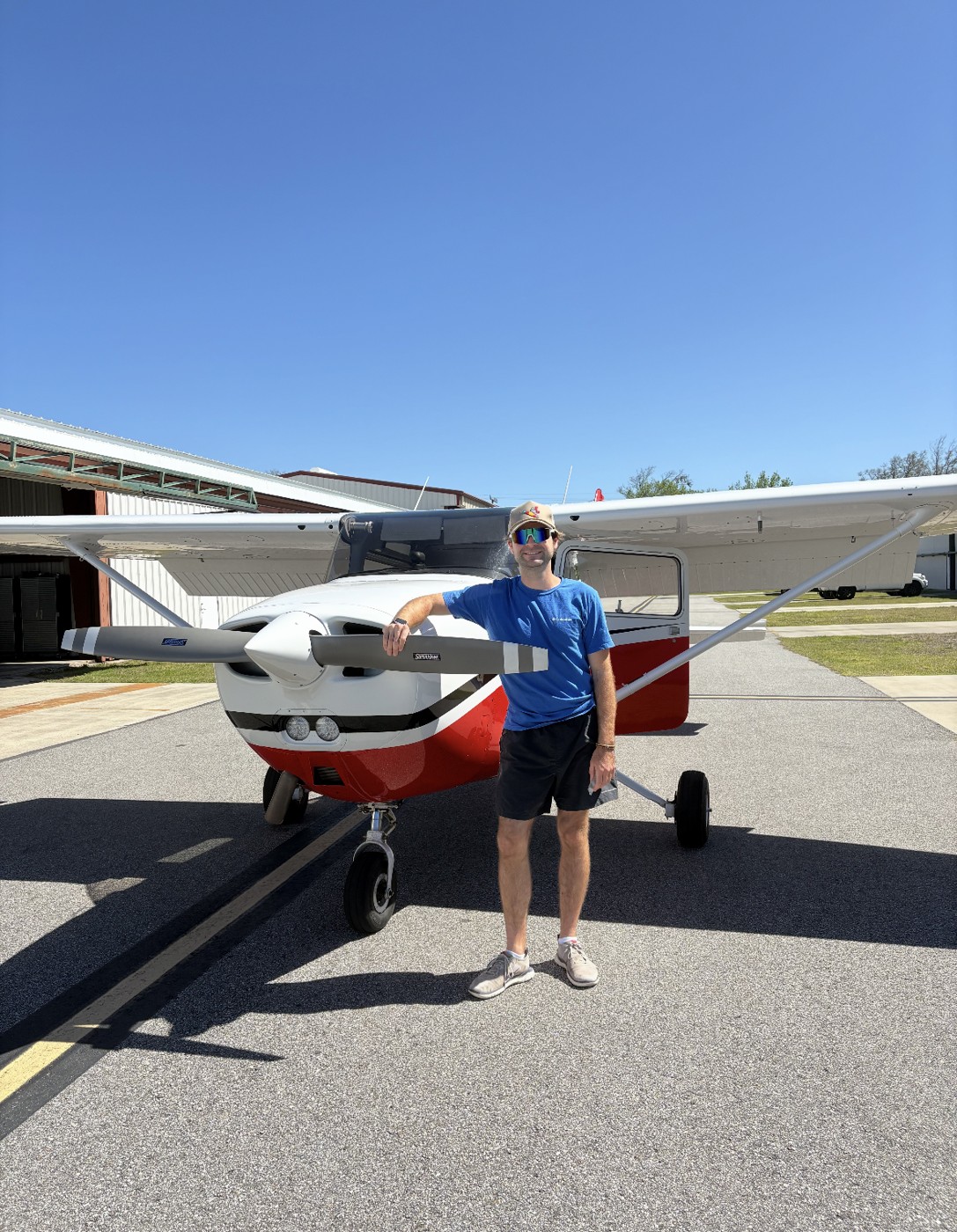
Another lesson I’ve learned is that education becomes most powerful when different experiences begin informing one another. Working in organ procurement taught me discipline, teamwork, and how to make sound decisions under pressure. Managing staff at a residential summer camp taught me leadership, communication, and the responsibility that comes with earning people’s trust. Building my own business taught me resilience through both success and failure. Flight training reinforced procedural discipline and risk management. Even hobbies like surfing, running, hiking, and conservation work continue teaching me patience, perspective, and the value of spending time outdoors. None of these experiences came with a syllabus, yet all of them shaped how I think and who I have become.
Because of this, I believe higher education should embrace experiential learning just as enthusiastically as traditional academics. Research opportunities, internships, language immersion, study abroad, mentorship, outdoor education, public service, and community engagement all expose students to possibilities they may never have discovered otherwise. Sometimes all it takes is one opportunity, a first day in a research laboratory, a study abroad program, a meaningful internship, or an inspiring mentor, to completely change the trajectory of someone’s life.
When I look back, it is remarkable to think that so much of my own passion for learning began with a talking globe and a box of Legos. One taught me that the world was worth exploring. The other taught me that complex systems could be built one piece at a time. Decades later, those same ideas continue to shape my life. They led me into laboratories, operating rooms, businesses, airplanes, and countries I once only imagined visiting. More importantly, they taught me that education is less about accumulating facts than developing the curiosity to keep asking better questions.
Ultimately, I believe the purpose of higher education is not simply to produce skilled workers but thoughtful citizens. It should prepare people to contribute professionally while also helping them become more curious, adaptable, empathetic, and engaged with the world around them. Learning does not end when a degree is awarded. It is a lifelong process shaped by mentors, challenges, relationships, travel, and the willingness to step into unfamiliar situations with an open mind.
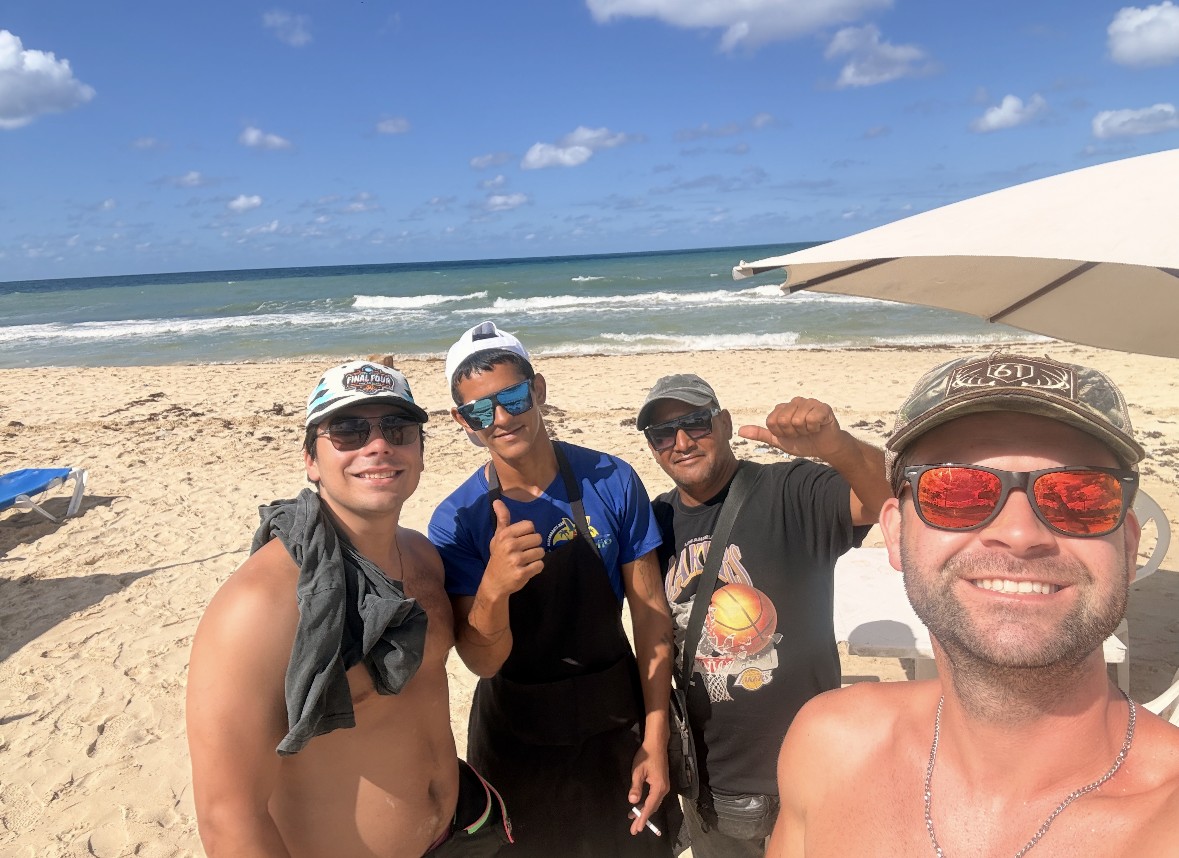
Looking back, I don’t think my education was defined by classrooms nearly as much as by curiosity. A talking globe led to a laboratory. A laboratory led to an operating room. An operating room led to entrepreneurship, airplanes, and fifty countries around the world. Every chapter began the same way: the simple decision to ask one more question. If higher education succeeds at anything, I hope it helps more people discover questions they become excited enough to spend a lifetime answering.